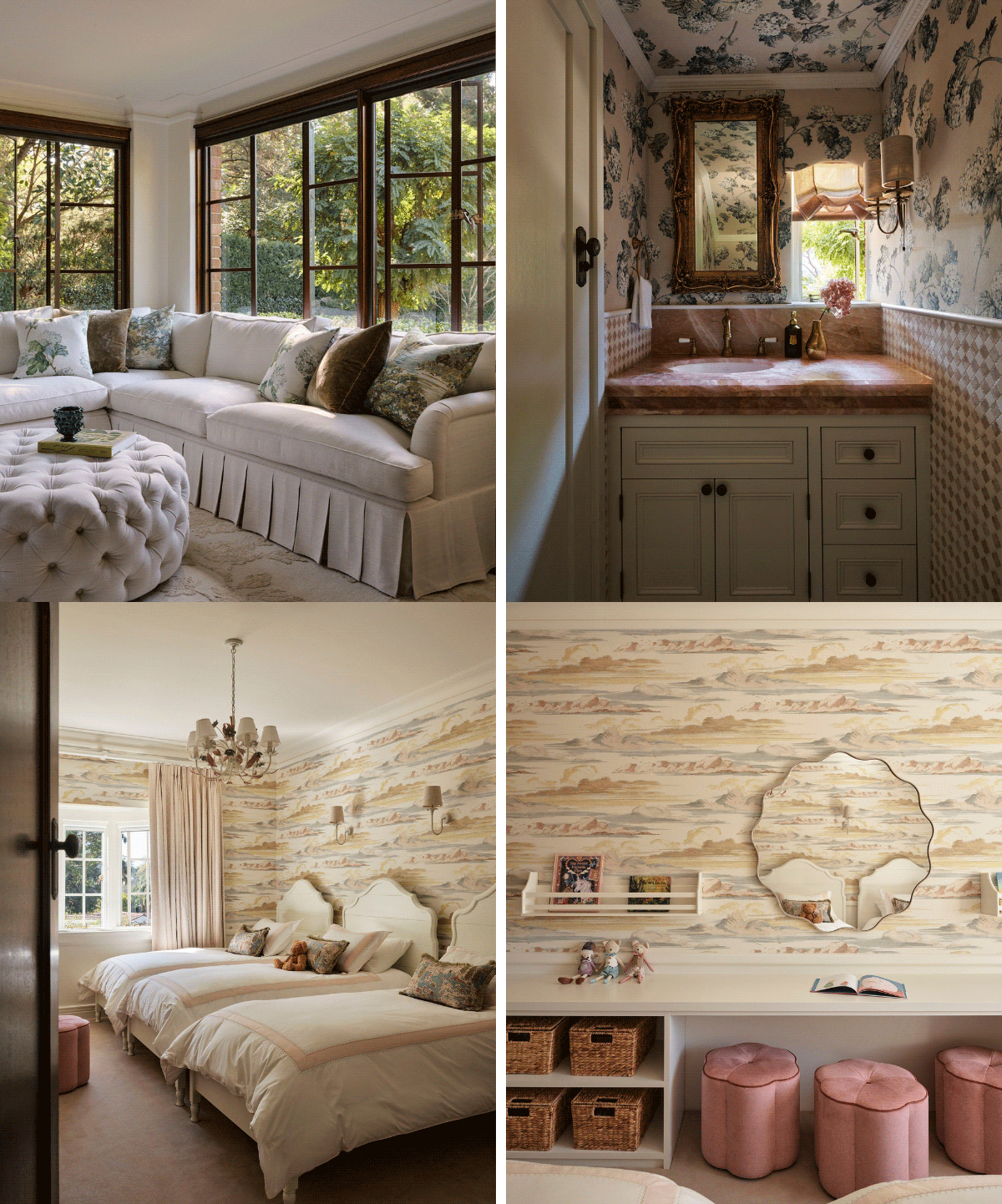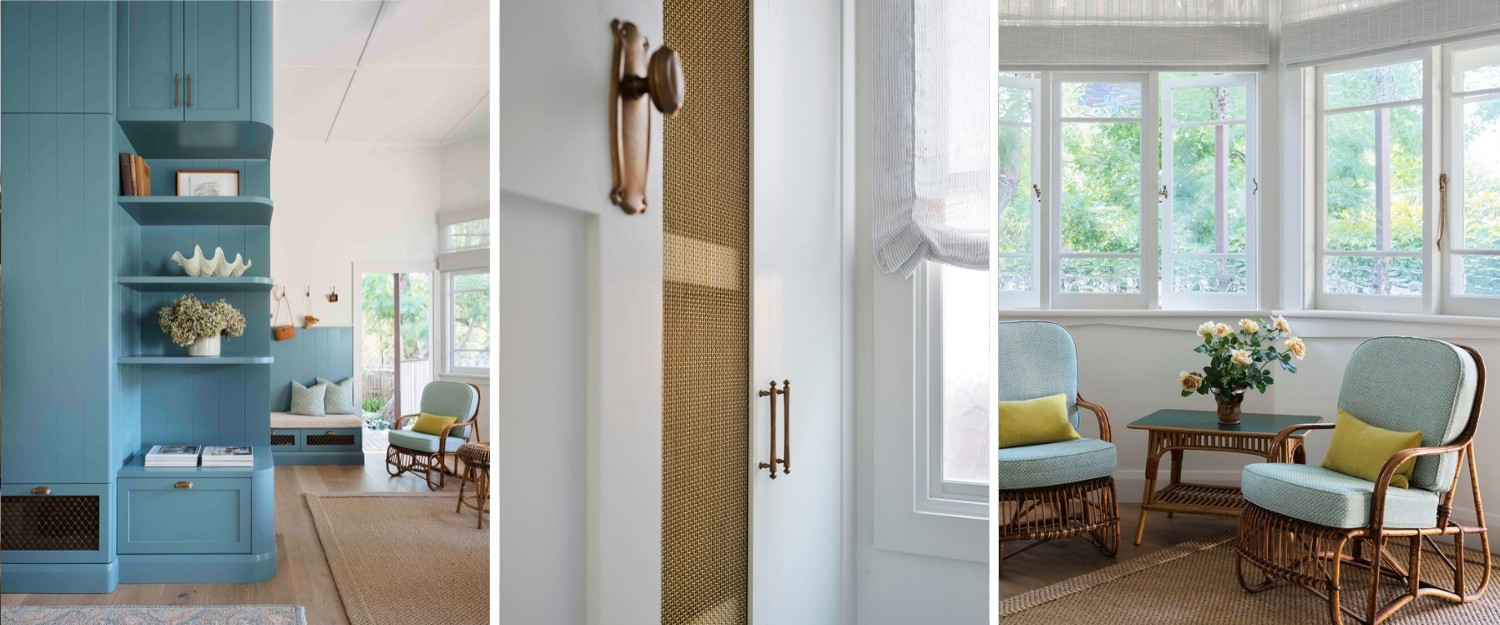
A heritage home often comes with an immediate sense of charm: generous proportions, original fireplaces, ornate ceilings, timber floors, leadlight windows or the quiet patina that only time can create. These details are often exactly what draws people to a period home in the first place.
But living in an older home can also bring questions. How do you introduce the comfort and functionality required for modern life without losing the character that makes the house so special? What should be preserved, what can be adapted, and how do you make new decisions feel at home alongside the old?
Over many years of working with heritage homes across Sydney – particularly in Woollahra, Paddington and the Upper North Shore – I have seen that every home requires its own response. The most successful projects are not about recreating the past, nor erasing it entirely. They begin by understanding what gives a home its identity, then allowing that character to guide the way it evolves.
Begin with what you love
Before making any decisions, it is worth considering which parts of the home you would miss if they were gone.
It may be the original joinery in an entry hall, the proportions of a formal sitting room, a fireplace surround, the pattern of a tiled floor or the particular quality of light created by old windows. These are not always the most practical elements, but they often hold the feeling and memory of a home.
In many of the homes we work on, these details become the starting point for the entire design direction. Rather than approaching a renovation as a blank canvas, we identify the elements that make the home distinctive and consider how they can be protected, celebrated or thoughtfully echoed elsewhere.
This creates an interior that feels settled in its setting – not imposed upon by a passing trend.
Make room for life today
Honouring a home’s past does not mean living without the ease of contemporary life.
Families need kitchens that can cope with busy mornings and long lunches, bathrooms with good storage and practical lighting, bedrooms that provide rest and privacy, and living spaces that allow people to gather comfortably. There may also be a need for better connections to the garden, more flexible rooms or practical joinery that keeps everyday life feeling calm.
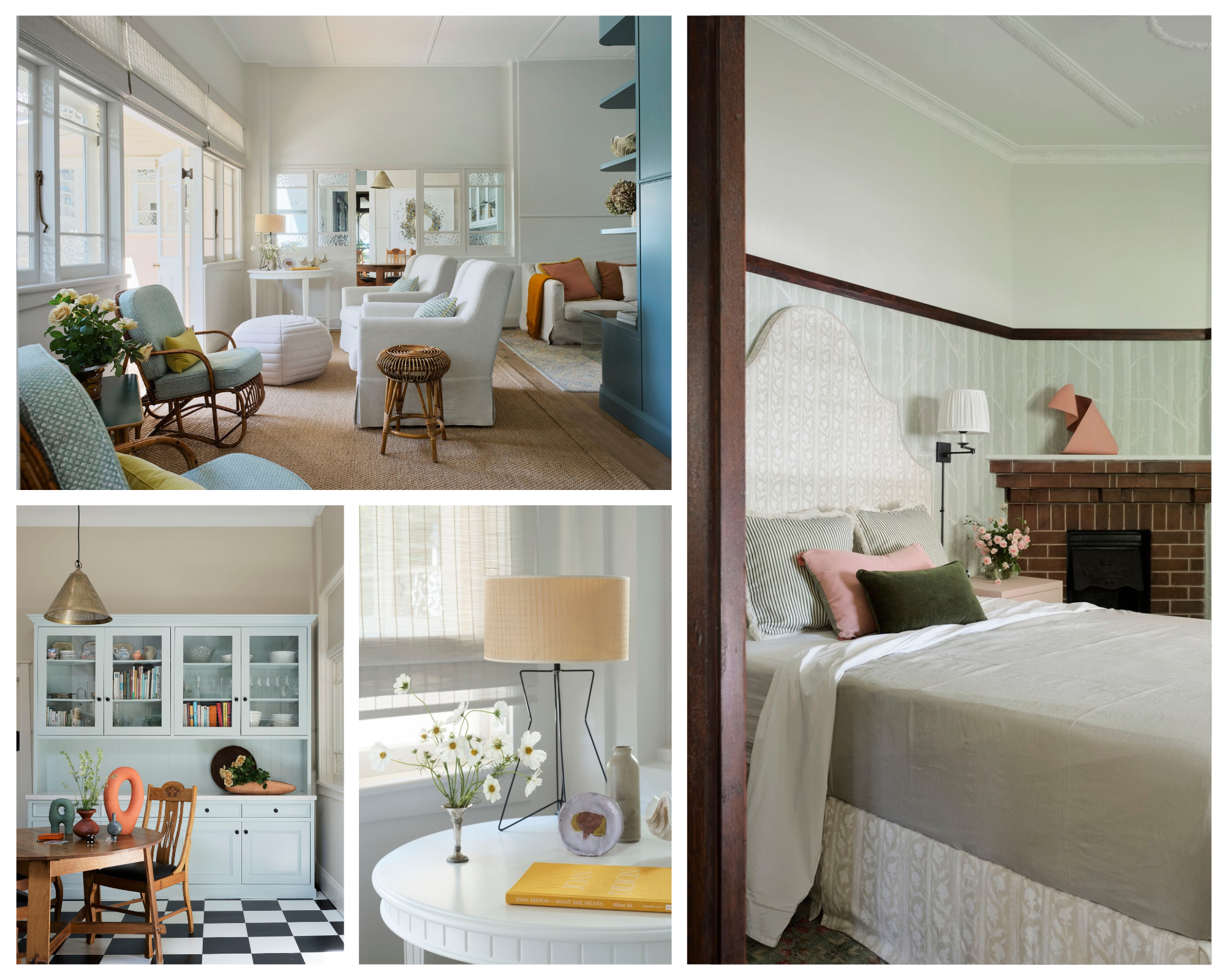
In a heritage renovation, the challenge is to introduce these improvements without making them feel unrelated to the original home. I always look closely at the proportions, materials and architectural language already present, so new work feels considered in relation to what has come before.
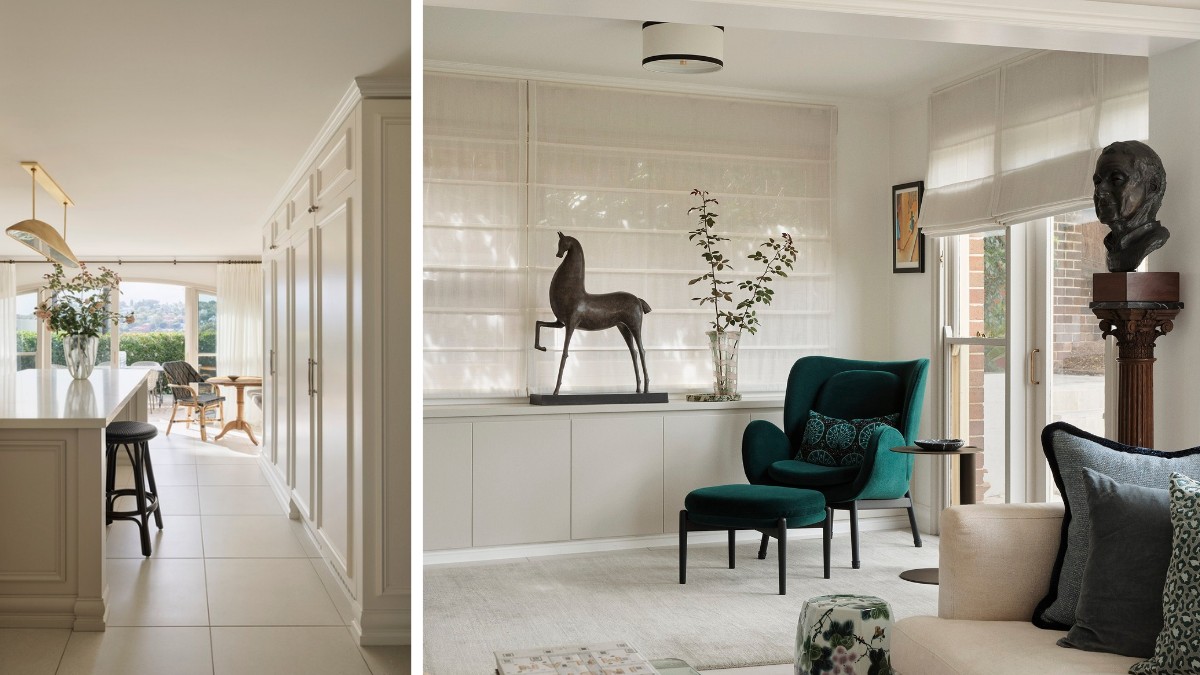
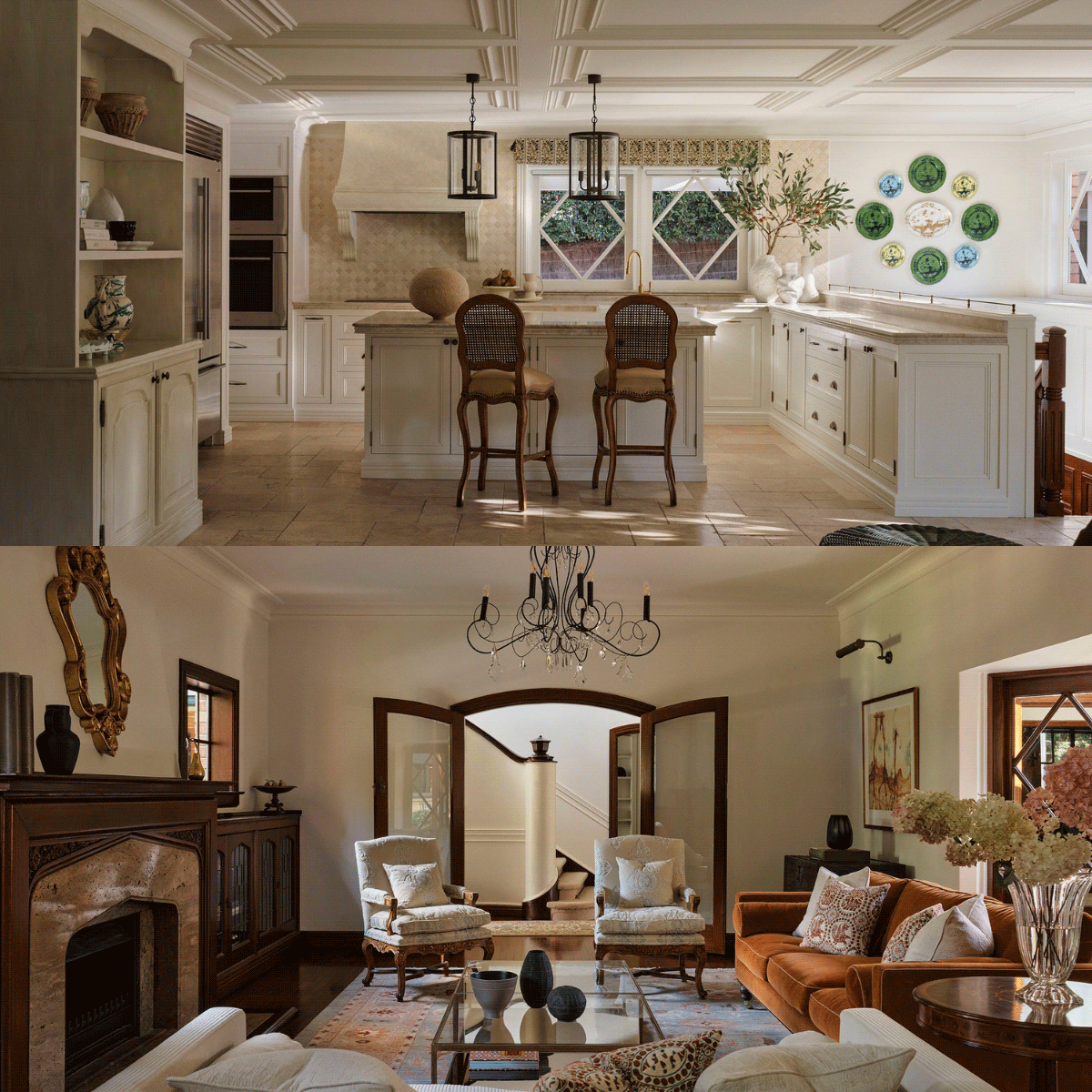
A new kitchen, for example, can be highly functional while still respecting the scale and materiality of its surroundings. Bespoke joinery can provide valuable storage while responding to existing architectural lines. Contemporary lighting can bring warmth and flexibility, without competing with decorative ceilings, cornices or original fireplaces.
The aim is not to make every new element look old. It is to ensure that the old and new speak comfortably to one another.
Keep the right things
Not every original feature needs to be preserved exactly as it is. Some elements may be beyond repair, no longer serve a practical purpose or simply detract from the way the home needs to work.
The important question is not whether everything should remain untouched, but whether a decision supports the overall character of the home.
Sometimes that means restoring a significant original detail. At other times, it may mean simplifying an unsympathetic later addition so the home’s better qualities can come forward. It may mean retaining a formal front room while creating a more relaxed family space at the rear. Or it could involve introducing a contemporary addition that is clearly of its time, but carefully considered in scale, materials and connection to the original architecture.
Experience is particularly valuable at this stage. When you understand the particular qualities of a period home – and how people want to live in it today – it becomes easier to recognise which changes will add value and longevity, and which may work against the home’s natural character.
Let contrast feel considered
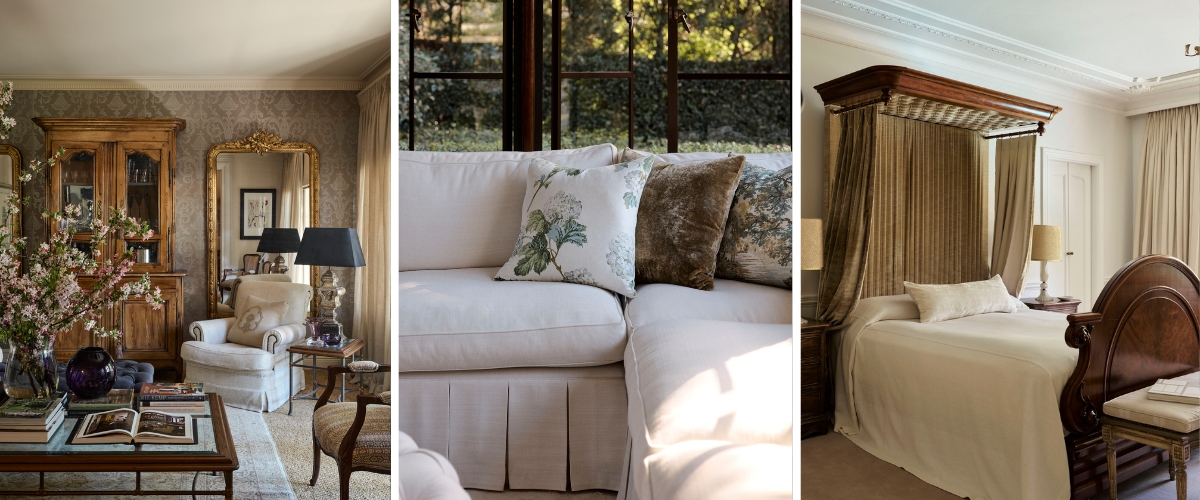
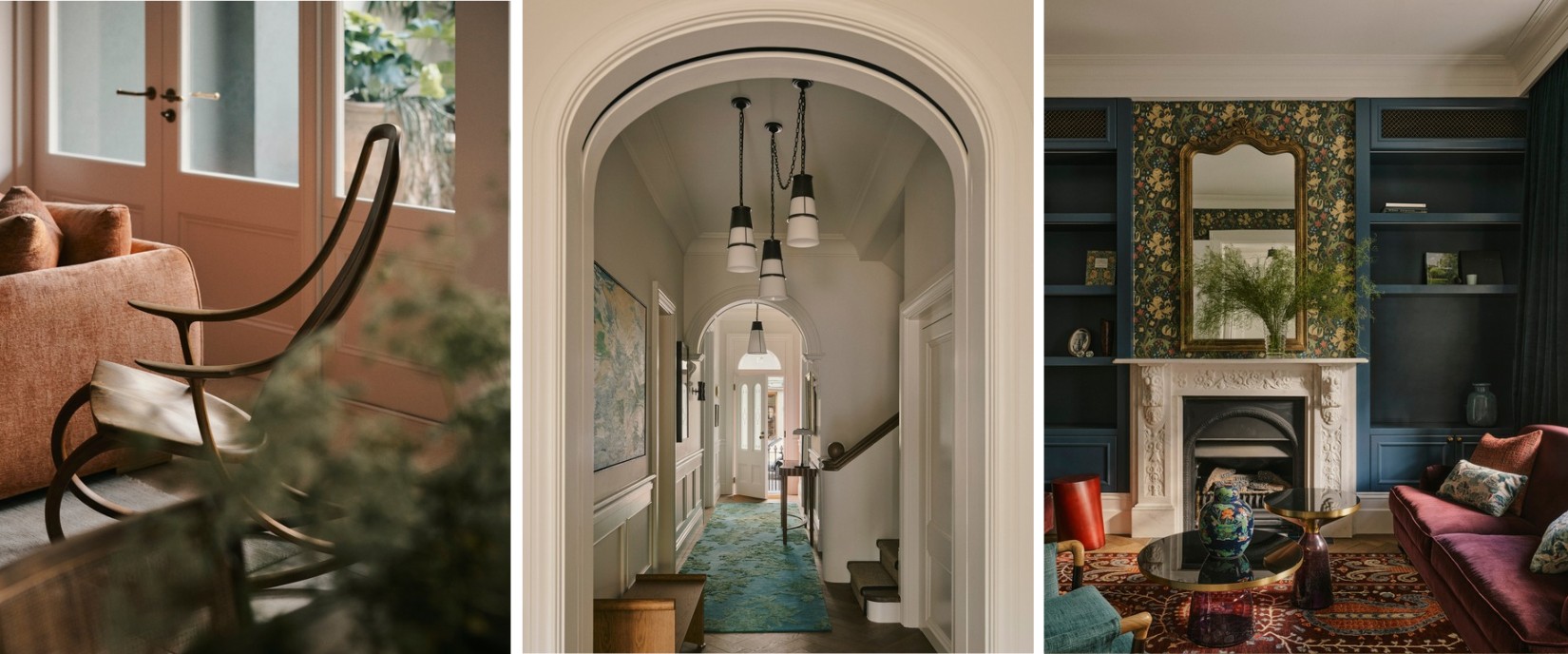
Some of the most interesting heritage interiors are not those where every piece belongs to the same era. A contemporary sofa may sit beautifully beneath an ornate ceiling. Modern artwork can bring energy to a traditional room. New joinery, lighting and furniture can add clarity and comfort, allowing original features to remain the heroes.
The key is balance.
A strong interior needs moments of contrast, but it also needs a thread that connects the rooms. This might be a restrained material palette, a repeated tone, thoughtful proportions or a consistent approach to craftsmanship. When the overall scheme is considered as a whole, old and new can sit together naturally.
This is what prevents a heritage home from feeling like a museum – or, at the other extreme, from losing the qualities that made it worth preserving.
Develop the brief with care
One of the things I often hear from new clients is, “I know what needs to change – I just don’t know how to achieve it.”
That is an excellent place to begin.
You may know that your kitchen needs to work harder, that the house feels too compartmentalised, or that rooms have lost their purpose as family life has changed. You may be clear about what you love, but less certain about how to introduce new ideas without compromising the home’s character.
My role is to listen carefully to what you tell me, ask the right questions and expand on the ideas that are already there. Together, we can develop a clear brief that respects the history of the home while creating spaces that support the way you want to live now.
A heritage home does not need to remain frozen in time. With thoughtful decisions, it can retain its distinctive character while becoming more comfortable, functional and personal with every passing year.
If you are considering a renovation or would like to better understand what is possible for your heritage home, you are welcome to book a discovery call with our studio.