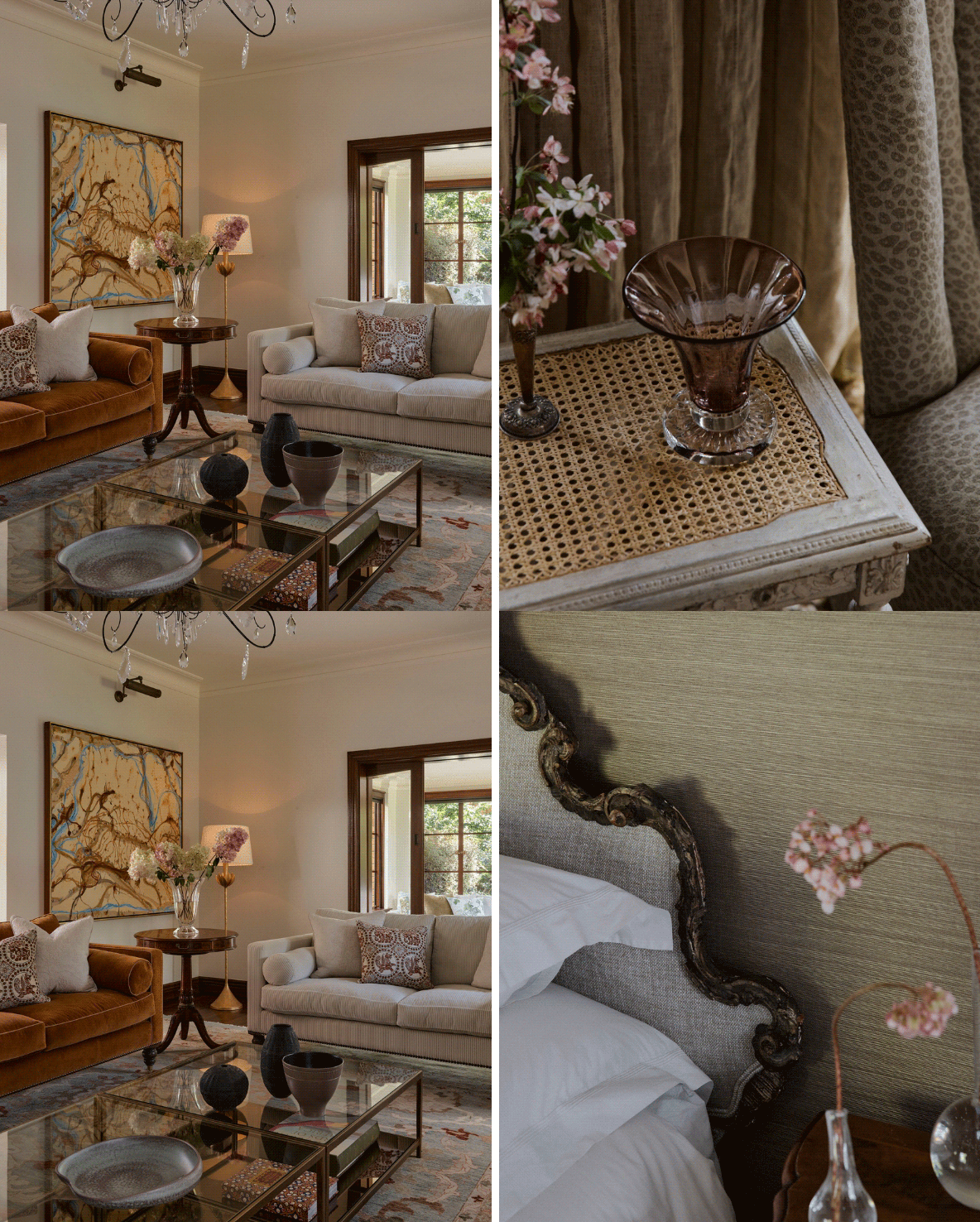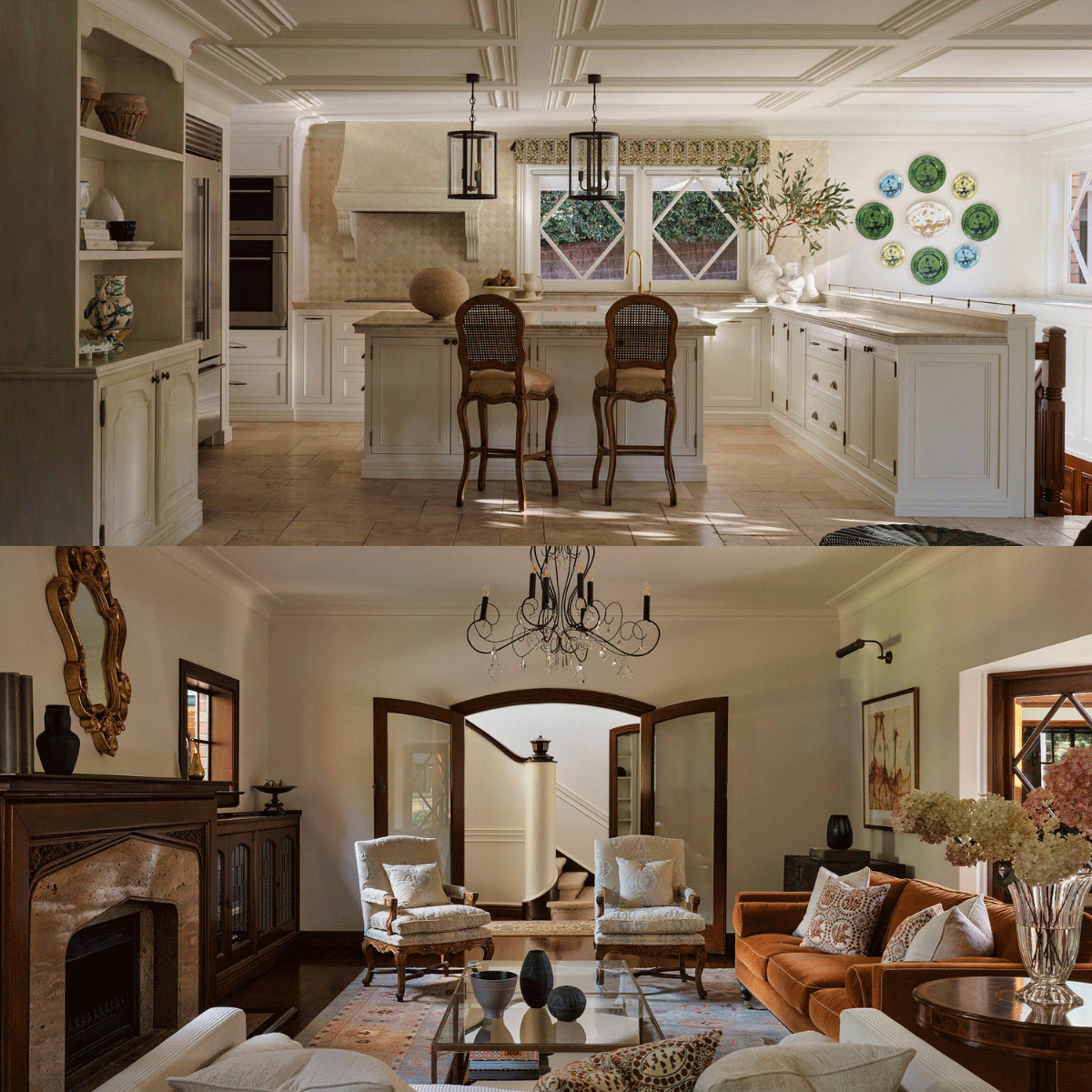
Winter changes the way we live in our homes. We gather differently, spend more time indoors, and often look for spaces that feel warm, calm and inviting. For Marylou, winter is not about adding seasonal decorations but about considering how the home supports you during this time of year – how light moves through the space, how materials feel to the touch, and how rooms invite you to slow down.
In this piece, Marylou shares how she approaches winter in the home from a designer’s perspective: looking beyond accessories to the underlying spatial and material decisions that shape a truly enduring, comfortable environment.
Thinking About Winter as a Designer
Winter styling, from an interior designer’s point of view, begins with how you use your home in the cooler months. Do you entertain more around the dining table, spend evenings in the living room, or retreat to quieter corners to read and unwind? When Marylou designs a home, she considers these seasonal patterns from the outset, so spaces naturally support winter living without needing a complete transformation each year.
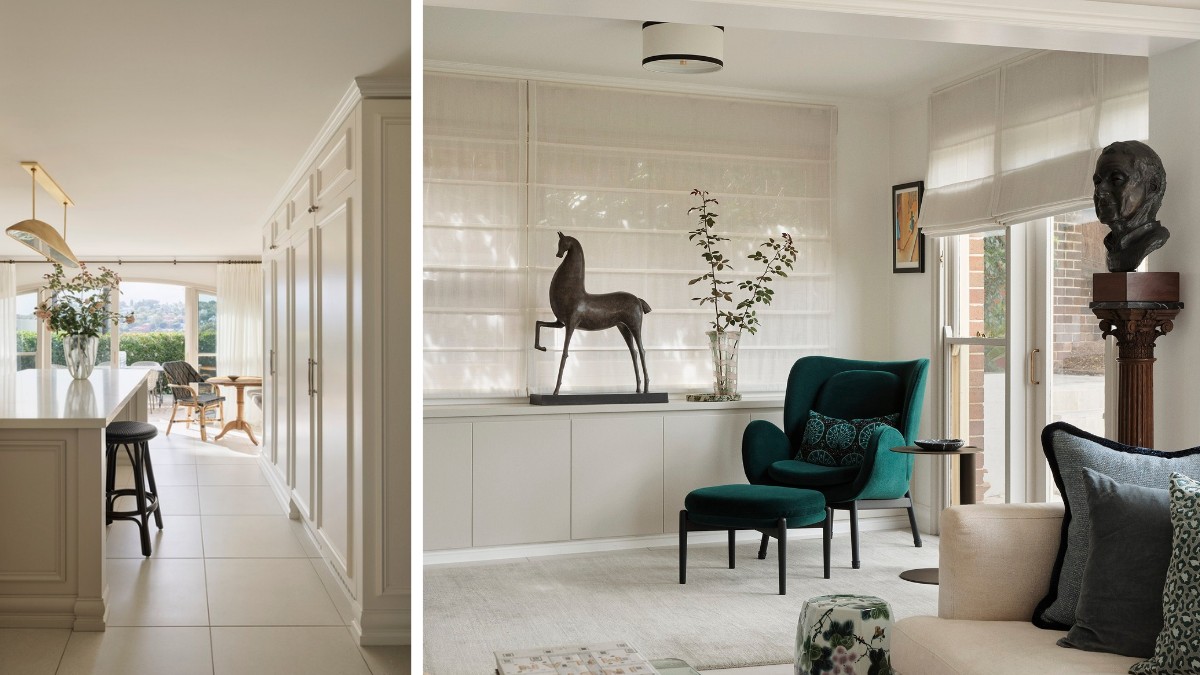
This means thinking about circulation, sightlines and the relationship between rooms. A well-planned living and dining area, for example, can make winter entertaining feel effortless – guests move intuitively through the space, and the atmosphere feels cohesive from the moment they arrive.
|
|||||||||||||
Materials and Texture as the Foundation
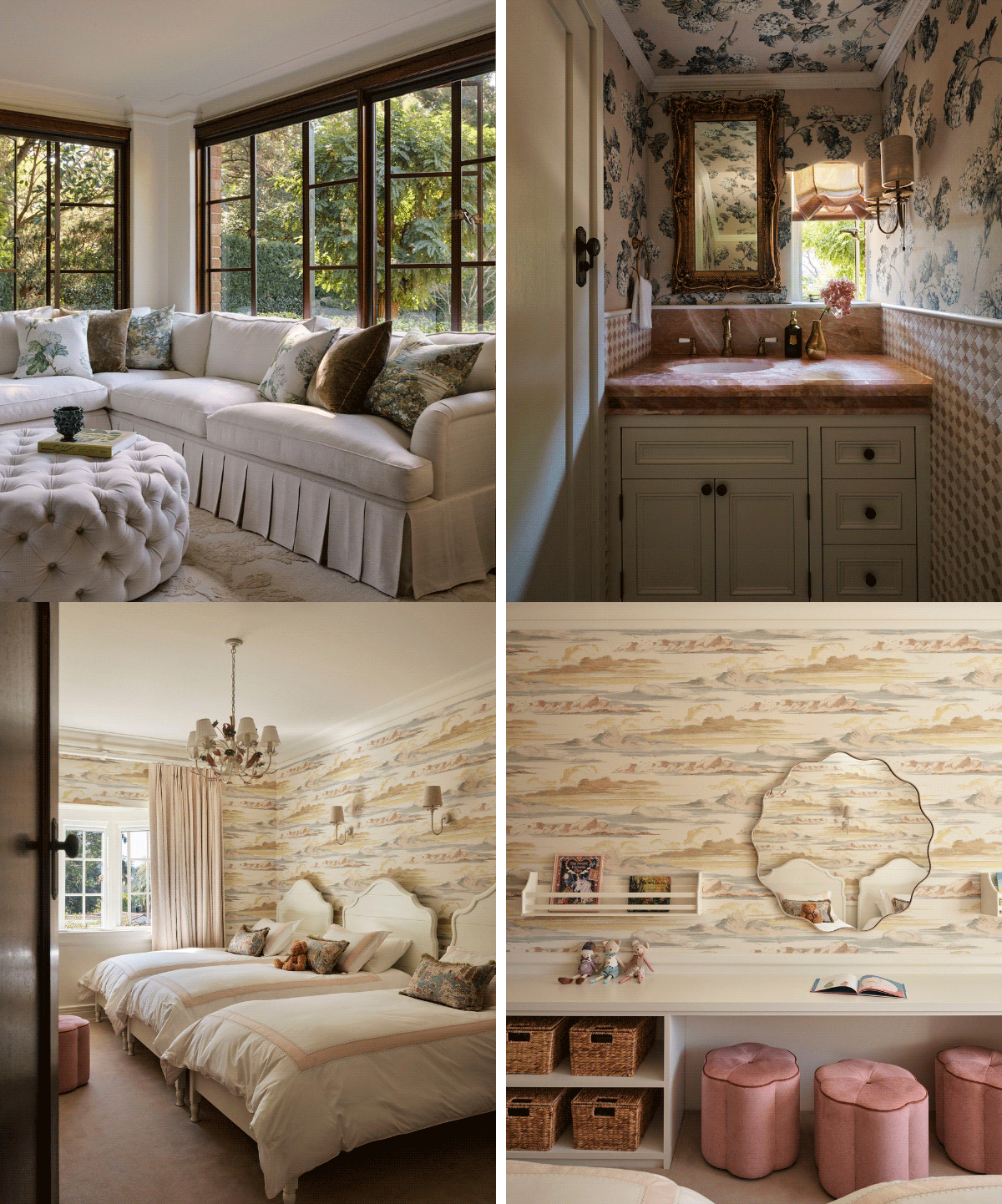
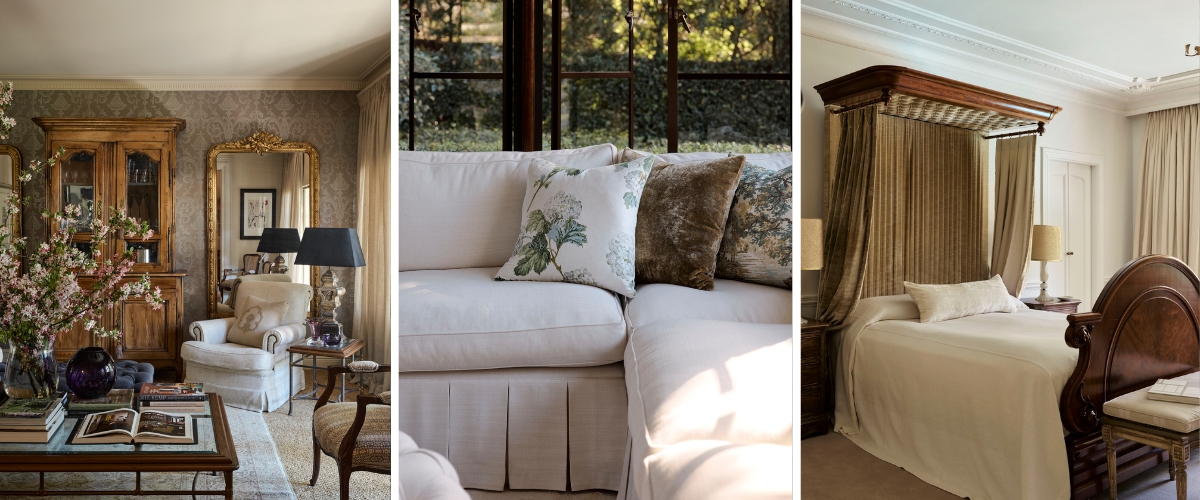
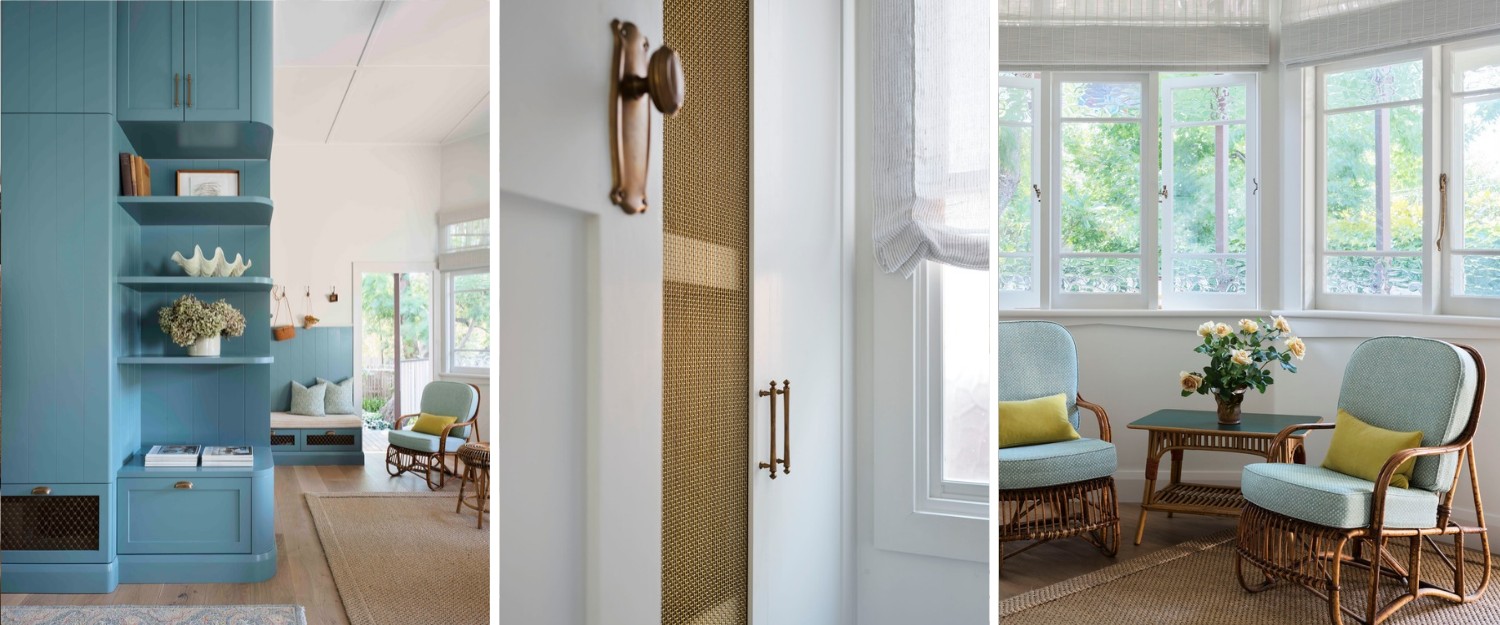
Rather than relying on temporary layers, Marylou’s approach starts with the permanent materials in the home. Timber, stone, wool, linen and textured finishes can all contribute to a sense of warmth and depth when chosen and combined thoughtfully. Choosing a warmer-toned timber floor, a softly honed stone, or a textured fabric for key upholstery pieces can make a space feel inviting year-round, while becoming especially resonant in winter. These decisions are made at the design stage, ensuring that even when styling is minimal, the room still feels grounded, tactile and comfortable.
From there, winter styling becomes a subtle extension of this foundation – introducing additional layers, such as a cashmere throw or a textured wool rug, that echo the material language already present in the home. These pieces add comfort and that sense of cosiness, without feeling seasonal or theme-driven.
|
|||||||||||||||
Lighting and Atmosphere
Lighting is one of the most powerful tools in winter. As an interior designer, Marylou thinks about lighting in layers: architectural lighting, wall lights, and portable lamps all play different roles in shaping the mood of a space.
In winter conversation areas, reading corners and dining tables, while dimmable overhead lighting allows the ambience to gently shift from day to evening. Candles can then be introduced as a final, subtle layer, adding warmth, intimacy and that cosy feeling, without overpowering the design of the room.
Creating Intimate Moments Within Larger Rooms
Many of Marylou’s projects involve generous living spaces – heritage homes with high ceilings, contemporary residences with open-plan layouts, refined apartments with sweeping views. In winter, the challenge is often to make these spaces feel intimate without losing their sense of openness.
One way she approaches this is by defining smaller moments within the room: a reading chair near the fireplace, a conversational grouping around a coffee table, or a dining setting anchored by a rug and pendant light. Furniture placement, scale and proportion become the key tools here, and winter styling simply enhances these zones with considered touches – such as a cashmere throw over a favourite chair, or a small cluster of candles on a sideboard to draw the eye and soften the atmosphere.
By thinking as a designer first – about how rooms are arranged, how pieces relate to each other, and how people move through the space – winter styling becomes a quiet layer of atmosphere, not a complete reconfiguration.
|
|||||||||||||||
Winter Entertaining at Home
Entertaining in winter is as much about how a home feels as it is about how it looks. Marylou’s focus is on creating a flow that feels effortless for the host and comfortable for guests. This might mean ensuring clear pathways between the kitchen, dining and living areas, or designing a dining space that feels enveloping and warm, even in larger rooms.
Styling then supports this: a well-composed dining table, thoughtful use of linens and materials, and a balance of decorative and functional pieces that don’t clutter the space. Considered lighting – dimming the lights slightly and introducing candles along the table or nearby surfaces – helps create a relaxed, intimate mood, so guests feel that the home is naturally suited to winter gatherings, not simply decorated for the occasion.
Ultimately, Marylou’s approach to winter styling is grounded in the same principles that guide her interior design work: timelessness, restraint and an understanding of how people truly live in their homes. Rather than chasing seasonal trends, she focuses on enduring decisions – materials, spatial planning and lighting – that continue to serve the home throughout the year, with winter simply revealing another layer of their character.
For those considering how to make their home feel more warm, refined and welcoming this season, starting with the underlying design – the way rooms are arranged, the materials chosen, and the quality of light – will always be more powerful than a purely decorative response. Winter styling then becomes the gentle finishing layer: cashmere, candlelight and softened illumination that sit harmoniously within a well-designed space.
Book a design advisory consultation
|
|||||||||||||||